London Packaging Week 2026 : What’s Next in the Functional Food Market

featured-post
sector - food & drink
category - future consumer
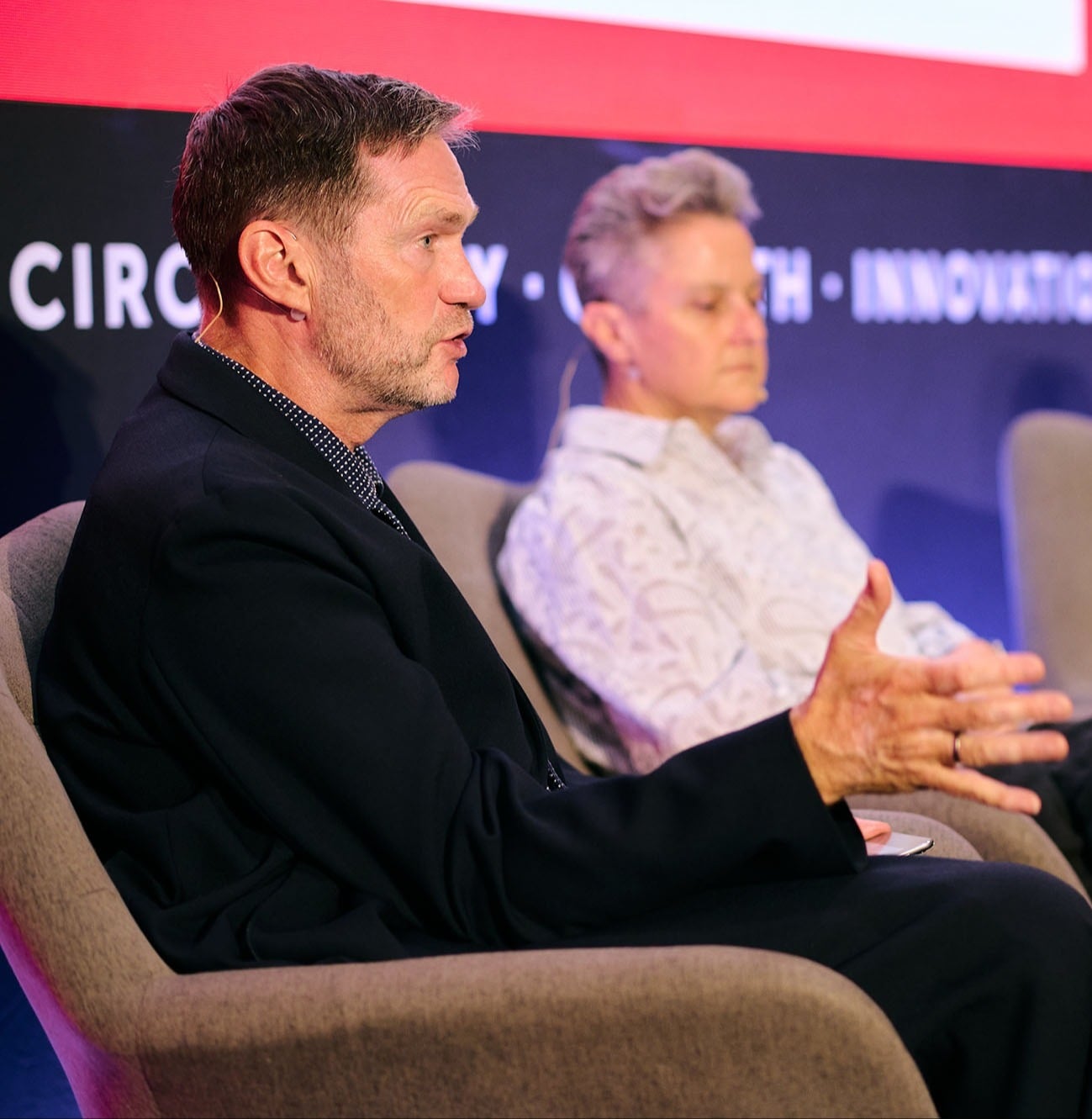
On 17 September, The Future Laboratory’s co-founder and chief creative officer was at London Packaging Week – the annual must-attend event for manufacturers, designers and brands seeking to tap into what’s new and next in everything that surrounds their product.

Chris took part in a panel entitled
Meet the New Consumer: Packaging for the Age of Functional Health, and shared some of The Lab’s latest thinking on functional foods, nootropics and the use of psychoactives and alcohol substitutes.


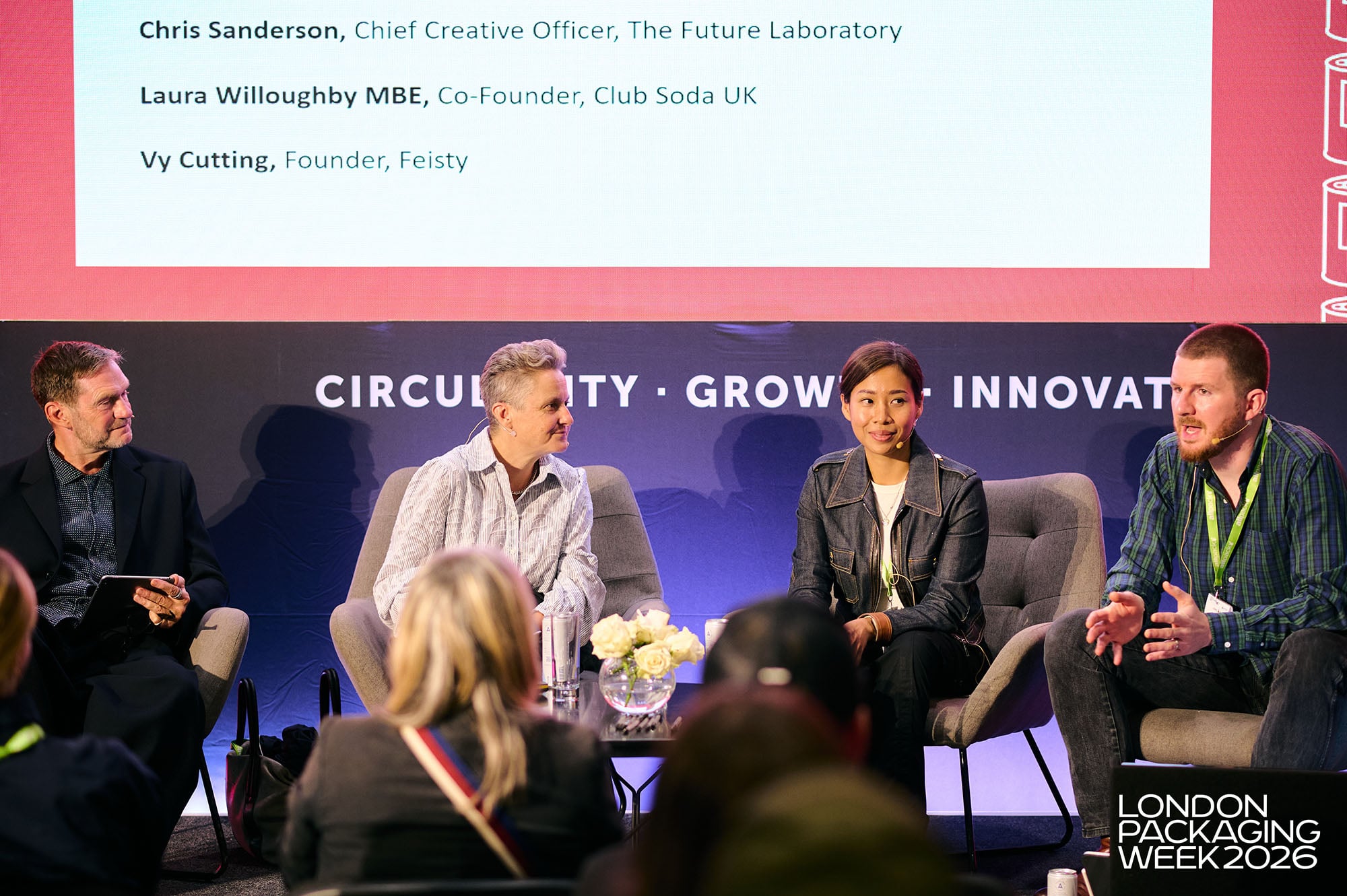
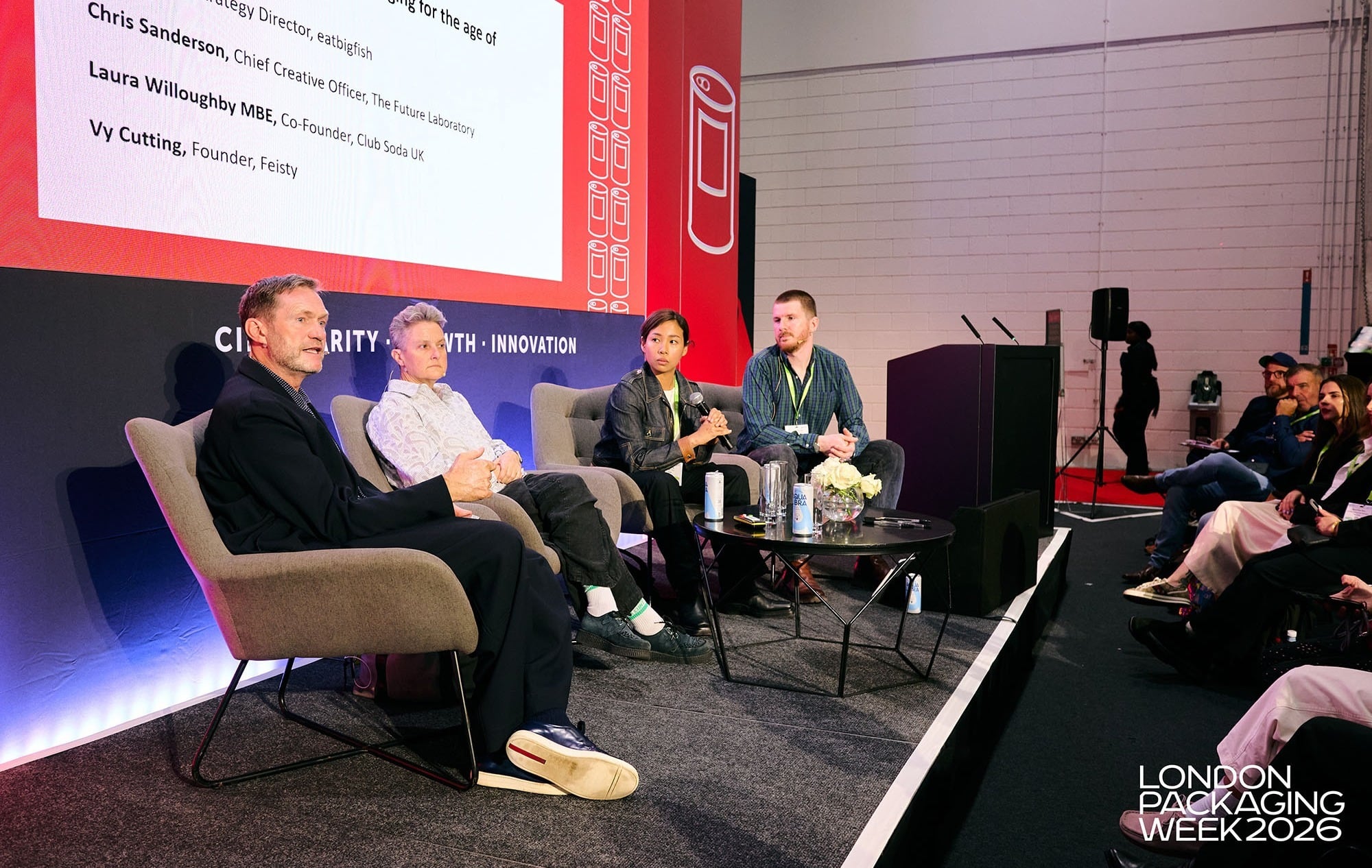
A busy Excel centre was buzzing with delegates eager to see and feel the future – one of the joys of a show like London Packaging Week is being able to touch and experience new innovations in materials and finishes. After a good look round, The Future Laboratory team headed to the FMCG stage, shared with Vy Cutting, founder of protein soda Feisty; Laura Willoughby MBE, co-founder of Club Soda; and our moderator Jono Wylie, strategy director at eatbigfish. What followed was 45 minutes of engaged and thoughtful conversation on the theme ‘what the consumer was looking for, how the industry is responding, and what’s coming next’.  

2 October 2026

Author: Chris Sanderson

Image: London Packaging Week 2026

In our conversation, we looked at a number of key themes, all focusing on one key concern: that functional claims have become interchangeable, a predictable stage in a much bigger shift, one in which consumers no longer buy a product’s ingredients but a route to a better version of themselves. 

Jono kicked us off with a reality check:

Is functional health a genuine shift or the latest industry trend?

And the panel answered – a bit of both.

According to the Global Wellness Institute’s Global Wellness Economy Monitor 2025, the wider wellness economy – which spans sectors such as wellness real estate, spas and tourism, not just functional food, drink and supplements – hit £5.1 trillion ($6.8 trillion, €6 trillion) in 2024, up 7.9% year on year, and has outgrown global GDP for more than a decade.

The wider wellness economy hit £5.1 trillion ($6.8 trillion, €6 trillion) in 2024, up 7.9% year on year.
Global Wellness Institute

McKinsey & Co’s Future of Wellness research finds that two-thirds of Gen Z and Millennials in the US, the UK and Germany bought a functional nutrition product in the past year. That is real.

But Mintel finds new functional food and drink launches peaked in 2019–2020 and have plateaued since across the US, Europe and Asia-Pacific, and Euromonitor’s Vitamins in the United Kingdom Market report finds that combination supplements have overtaken standalone vitamins in UK growth as fortified food and drink eat into their share rather than add to the pool.

The shift is genuine: the boom has plateaued, not collapsed.
London Packaging Week 2026
The panel concluded that the functional claim has clearly become an entry ticket, not a differentiator. Distinctiveness is legally defensible, a functional claim is not – beyond time-limited patent protection. We argued that a brand competing on claims alone is one Advertising Standards Authority (ASA) ruling away from losing the only asset it thought it owned.

Next, we discussed the rise of the functional consumer. The consumer has moved from passive consumption to buying outcomes, and the data is clearest when observing Gen Z. Ocado and Savanta data, tracked by The Future Laboratory, shows that health drink sales on Ocado were up 54% year on year in 2025, kefir up 30% and kombucha up 22%.

The same tracking finds that 40% of the general population now buy functional drinks several times a month, rising to 61% among Gen Z, and that 60% of Gen Z have cut back on alcohol in the past year, with 49% saying they have replaced alcohol, soft drinks or energy drinks with functional drinks entirely.

Research by Tastewise finds that 37% of consumers use functional food specifically for health, and Tastewise’s follow-up research finds that consumers now rank specific health benefits above sustainability, seeking granular specificity even in an already-functional category such as energy drinks.

Category lines are blurring exactly as the panel discussed. Euromonitor research, cited in our Beauty Futures 2025 report, finds that 50% of global consumers now define beauty as ‘looking healthy’, that active ingredient searches grew 229% in 2021, and that active ingredients comprised 70% of the most-searched beauty products that year.

37% of consumers use functional food specifically for health
Tastewise

An interesting talking point was that consumers are not newly virtuous, they are newly demanding. And the behaviour lags behind the sentiment badly.

Mintel research shows that fewer than half of US consumers interested in anti-ageing functional drinks actually drink them, and that roughly 70% of Americans still drink conventional soft drinks regularly, compared with more than one in 10 who drink functional beverages regularly.

PwC’s 21,075-person global survey finds 62% cite ultra-processed food as their biggest concern, yet only 35% actively avoid it.
London Packaging Week 2026

One of the key agreements for the panel was that product distinctiveness – its individual look and feel – is more important than differentiation, the benefit the functional product delivers. Feisty’s own soda is a great case study example. Delivering additional protein in a can is not new, but creating a messaging, identity and packaging solution that appeals to a Gen Z female and not a shred-focused gym bro is key to that brand’s growth and success.

You can find out more about the functional food market by booking one of our analysts to deliver our research directly to your business. Get in touch here.


Want to bring future-focused insights directly into your business?

If you're looking to understand your future consumer, unlock growth or spark a valuable conversation with your audience, book a futures presentation.


Get in touch, today.