

We recently launched our first driver, Colliding Technologies – how AI, quantum computing and synthetic biology are converging, collaborating and potentially kick-starting unforeseen consequences in their wake.
But this technological upheaval is also colliding with seismic shifts in our human geography, as explained in our second report in our series, Diverging Demographics.
Global populations are simultaneously ageing in some regions and booming with youth in others. This divergence, combined with fragmenting identities and non-linear life paths, is making old social and economic templates obsolete.
 Marmalade Lane by Mole Architects. Photography by David Butler, UK
 tive by wieden+kennedy amsterdam, global
Great wealth transfer
By the late 2070s, the global population of those aged 65 and over is projected to hit 2.2bn, surpassing the number of children under 18 for the first time in history (source: UN).
At the same time, a £60 trillion ($80 trillion, €69 trillion) Great Wealth Transfer is passing from Baby Boomers to Millennials and Gen Z, while younger cohorts rewrite the rules of identity, with some 23% of Gen Z in the US now identifying as a gender minority (sources: World Economic Forum, Gallup).
Non-linear life stages
Against such changes, those old, linear life courses we chose are becoming obsolete. ‘Variation will define the future life course,’ notes Ken Stern, author of Healthy to 100. ‘Fifty-somethings raising toddlers.
Sixty-somethings launching start-ups. Seventy-somethings returning to university.
The old templates don’t fit any more.’
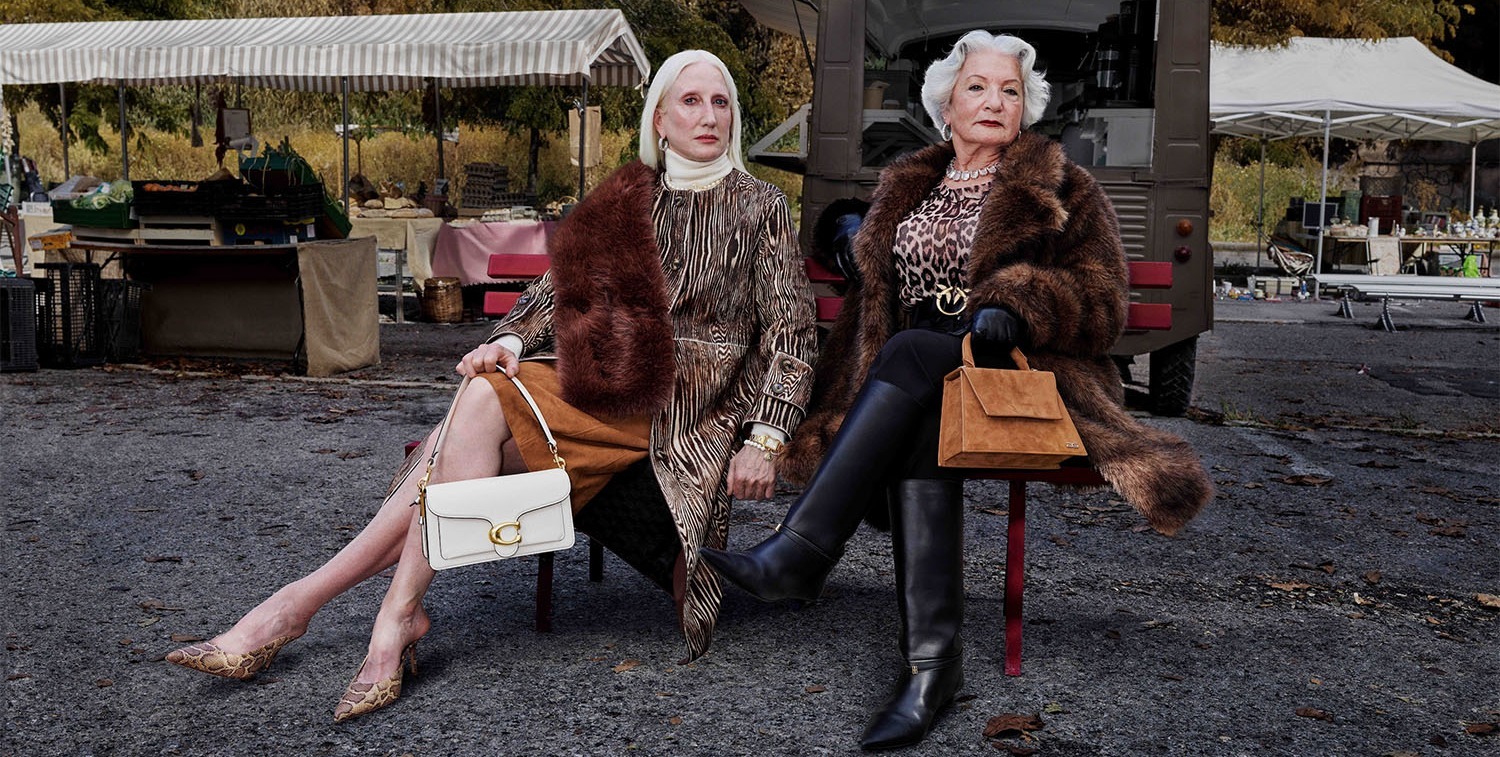 What do I wear by Zalando. Creative by Wieden+Kennedy Amsterdam, Global
 This ones quite nice Give Us the Finger campaign by Oura, US and Europe
Middlescence rising
Scientists at the University of Cambridge, however, have recently identified five consecutive phases of brain development across our lifespan that blow these easy codifications out of the water.
Adolescence is now understood to extend from age nine into the early 30s, while at the other end of the lifespan centenarians are becoming a distinct and growing demographic category, driven by advances in preventative healthcare and a growing cultural focus on longevity. The UN estimates that 722,000 people worldwide are aged 100 or older, a figure projected to reach nearly 4m by 2054.
This is all fertile ground for brands keen to collaborate with consumers during these restructured and elongated life stage and lifespan moments. It is no longer a case of working out how to talk to them and the correct tone of voice to use – but where and when to do so.