


Reflecting the growing importance of the home, luxury labels are seizing the opportunity to reach new customers by diversifying their product offering with home and lifestyle lines.
Fendi, which was the first luxury megabrand brand to enter the homeware market 30 years ago, revived Fendi Casa in 2022 with an expansive furniture line and bespoke interior design services.
Tiffany & Co is also shaking up its home offering, naming Lauren Santo Domingo, the brains behind Moda Operandi’s first home line Moda Domus, as the artistic director of the Tiffany Home Collection. Taking a different approach to branded décor, Bottega Veneta partnered with artist Gaetano Pesce to create a multi-coloured set for the spring/summer 2023 show, featuring resin-covered chairs that were later available to purchase.
Elsewhere, for the new collaborative At.Kollektive project, several fashion designers created furniture collections for the first time, including Natacha Ramsay-Levi and Bianca Saunders.
Continue the conversation: Luxury customers often want more than fashion and beauty from their favourite brands. Have your clients delved into the Dior Maison universe?
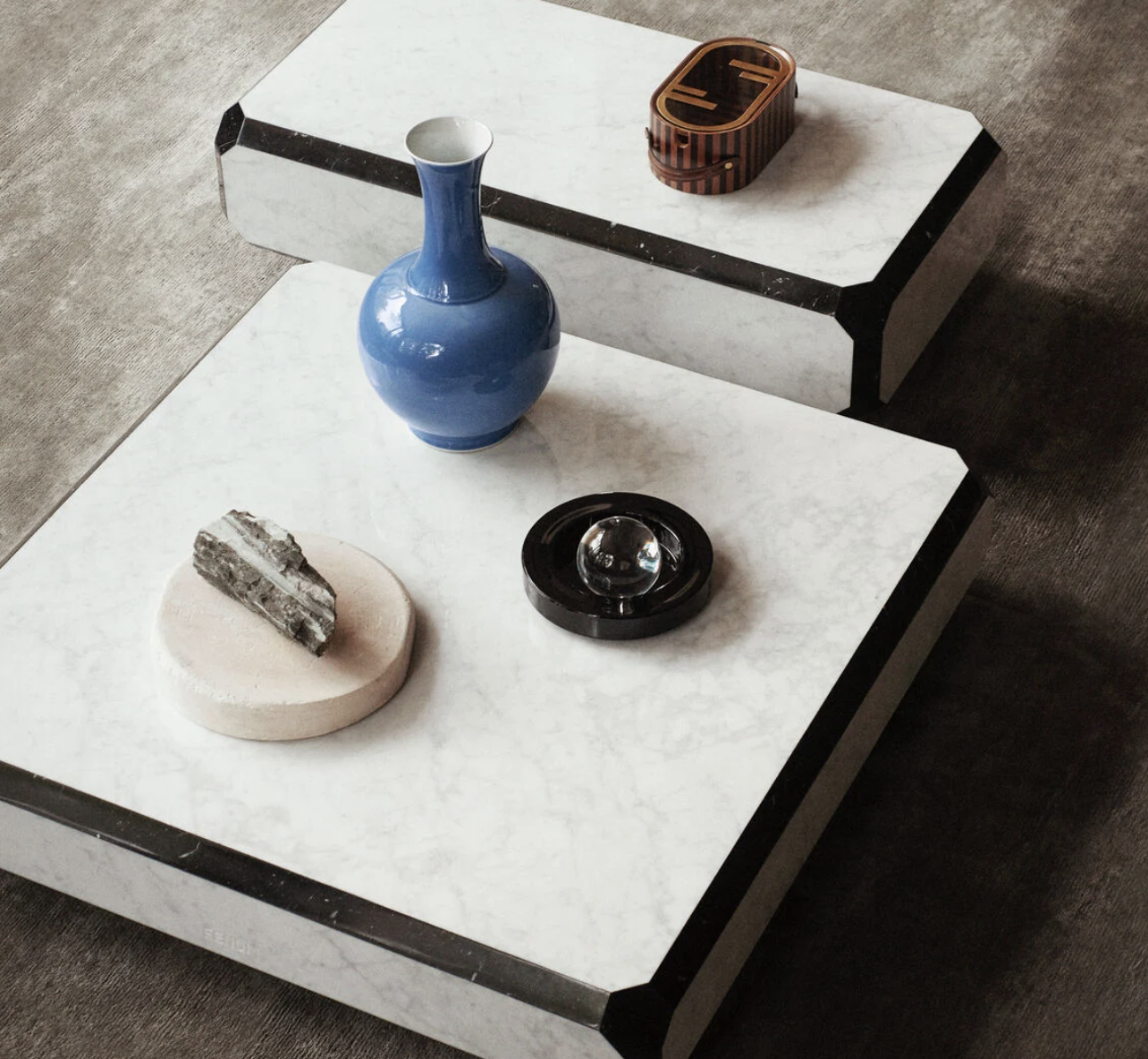 Images: Fendi Casa
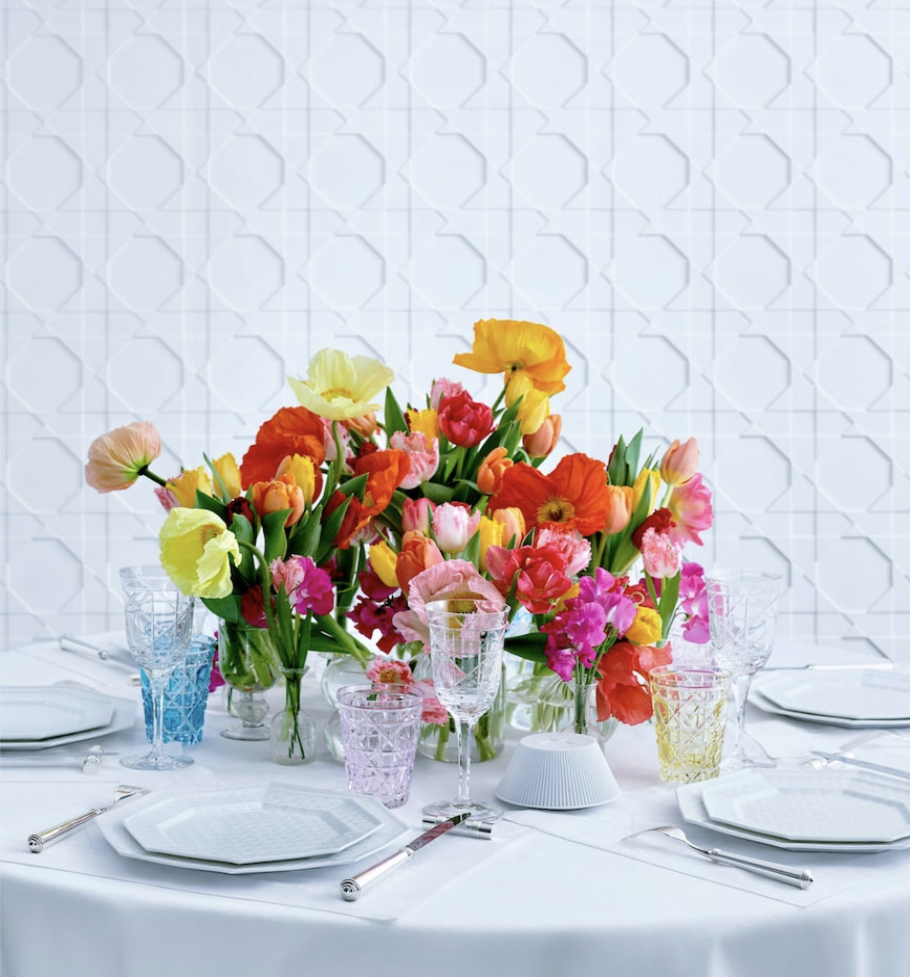 Images: Dior Maison
Generation Z are dusting off tabletop heirlooms and declaring them cool and covetable once again. Post-pandemic, at-home hosting holds more social cachet, with the hashtag #dinnerparty amassing one billion views on TikTok, and plating ideas like the butter board trend going viral. Lavish and elevated is the new hosting norm. With Gen Zers starting to purchase luxury items on average three to five years earlier than Millennials, according to Bain & Co, the once passé crystals and silvers are back on the table.
Created by artist and sister duo Laila and Nadia Gohar, Gohar World is standing out with surrealist linen, candles and table accessories such as satin bags for storing baguettes or chandeliers to display eggs.
In the crystal category, Waterford has refreshed its branding since the appointment of new creative director Alice Bastin, and Baccarat has partnered with Chrome Hearts to co-create a super-luxe collection including an ashtray, a decanter and glasses.
Continue the conversation: Check in with your clients. Have they attended – or hosted – any remarkable dinner parties lately?
Homes became multi-functional spaces during the pandemic, from offices and schools to fitness studios, often resulting in cluttered environments that negatively affected domestic wellness. Now, the notion of home as a haven is evolving to make room for restorative spaces.
Dedicated wellness rooms are becoming increasingly desirable to luxury clients, and so too are wellbeing-boosting appliances, embodied by the growing popularity of cold plunge pools.
In future, expect wellness to be built into domestic environments through concepts like Life Time Living Green Valley in Nevada, USA, a luxury fitness complex offering semi-furnished flats for fitness fanatics. In addition to a gym, pool, spa, pickleball courts and concierge services, residents also have access to weekly meal plans, personal chefs and aestheticians.
Continue the conversation: Discuss with your clients how they are elevating their wellness rituals at home. Does the concept of wellbeing-boosting features ingrained in home havens appeal to them?
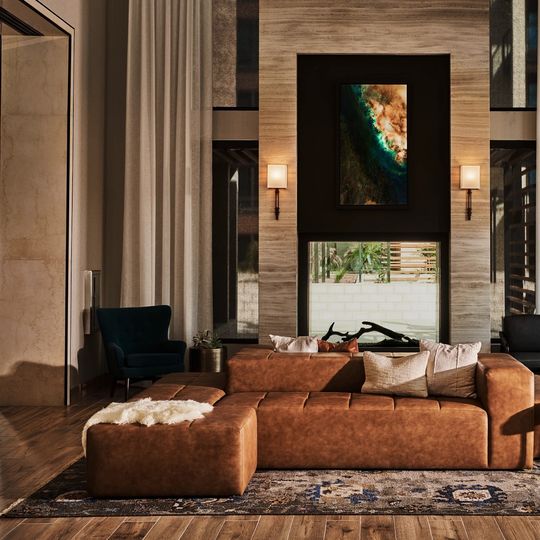 Images: Life Time Living
