


Nurturing exceptional workmanship is the essence of luxury businesses. And with rising consumer interest in behind the scenes, brands are bringing the ‘petites mains’ that make the magic happen to the limelight through craft-focused activations.
The state-of-the-art Fendi Factory in Tuscany, opened in October 2022, is testimony to the brand’s promise of Made in Italy excellence. The spring/summer 2024 men’s show was held in the facility, with 700 artisans working in the background.
Craft-centric communications that reveal the inner workings of artisanship are also flourishing. Take Cartier’s hard luxury campaign spotlighting the 50-year rich heritage of the Baignoire watch or Mulberry’s Made to Last activation.
The relaunch of forgotten iconic fashion brand Walter Albini also signals a refocus of quality and know-how. The brand, which gave cachet to the Made in Italy label in the 1960s, has begun digitising its rich archive and shared plans to hire a designer tasked with restarting the fashion line.
But preserving and celebrating craft isn’t exclusive to century-old brand names. Newcomer Atelier Jolie is creating a platform for creatives to collaborate with a skilled and diverse pool of expert tailors, pattern-makers and artisans, promoting appreciation and respect for makers.
Continue the conversation: Are your clients aware of the spectrum of savoir-faire required to make Dior creations?
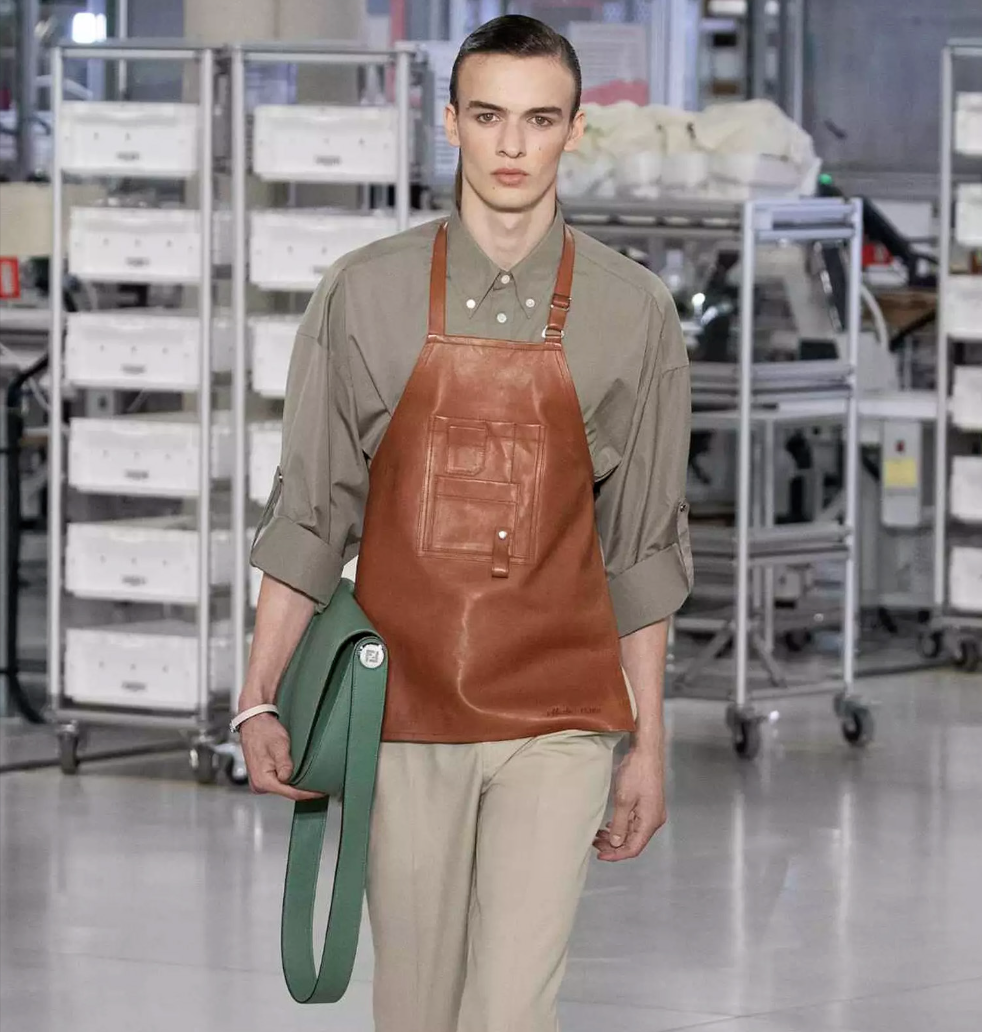 Images: Fendi, Italy
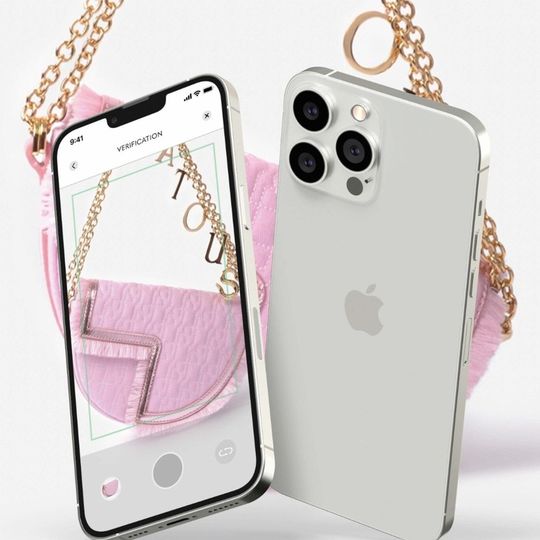 Image: Patou, France
With the surge of hyper-realistic dupes and the boom of the global preloved market – expected to nearly double by 2027, according to ThreadUp – demand for buyer protection is escalating and luxury is racing to come up with tech-powered authentication tools.
Together with resale platform Vestiaire Collective, Chloé has launched the first instant resale proposition. Customers can scan and instantly sell items thanks to unique ownership numbers and digital IDs, skipping the usual authentication process.
Blockchain technology is also used to supercharge traceability in luxury. In April 2023, fashion house Patou introduced Authentique Verify, an AI system capable of detecting imperfections in fakes that the naked eye can’t spot.
Loro Piana also lets customers digitally track garments made with the brand’s patented The Gift of Kings merino wool from the fibre to the finished product thanks to a blockchain-based tool.
Continue the conversation: Discuss with your clients what they know about digital IDs. Are they aware of their existence? Would these tools give them reassurance when purchasing preloved items?
In luxury, circularity is not merely a buzzword, it is an imperative to stay relevant. With the popularisation of preloved and rental services, product handovers are more frequent, pressurising Maisons to ensure that products marketed as timeless effectively stand the test of time. As a result, Bottega Veneta started offering lifetime warranty on handbags in 2022.
Other brands are ramping up care and repair programmes. Loewe’s ReCraft in Osaka, Japan, is a store dedicated to repairs and maintenance, with a leather artisan in residence.
American fashion brand Coach recently introduced sister brand Coachtopia, a Gen Z-approved line saving leather and textile scraps from landfill to create unique pieces, glamourising deadstock in the process.
New collectors’ appreciation of craft means that visibly worn or patched items are reframed as status symbols. This paves the way for initiatives like Rimowa’s Re-Crafted, which brings refurbished luggage to customers: as sturdy as new, but with a story and a few bumps or scratches.
Continue the conversation: Ask your clients whether they own hand-me-down or old Dior pieces they cherish and consider as trusted adventure companions despite visible damage and wear
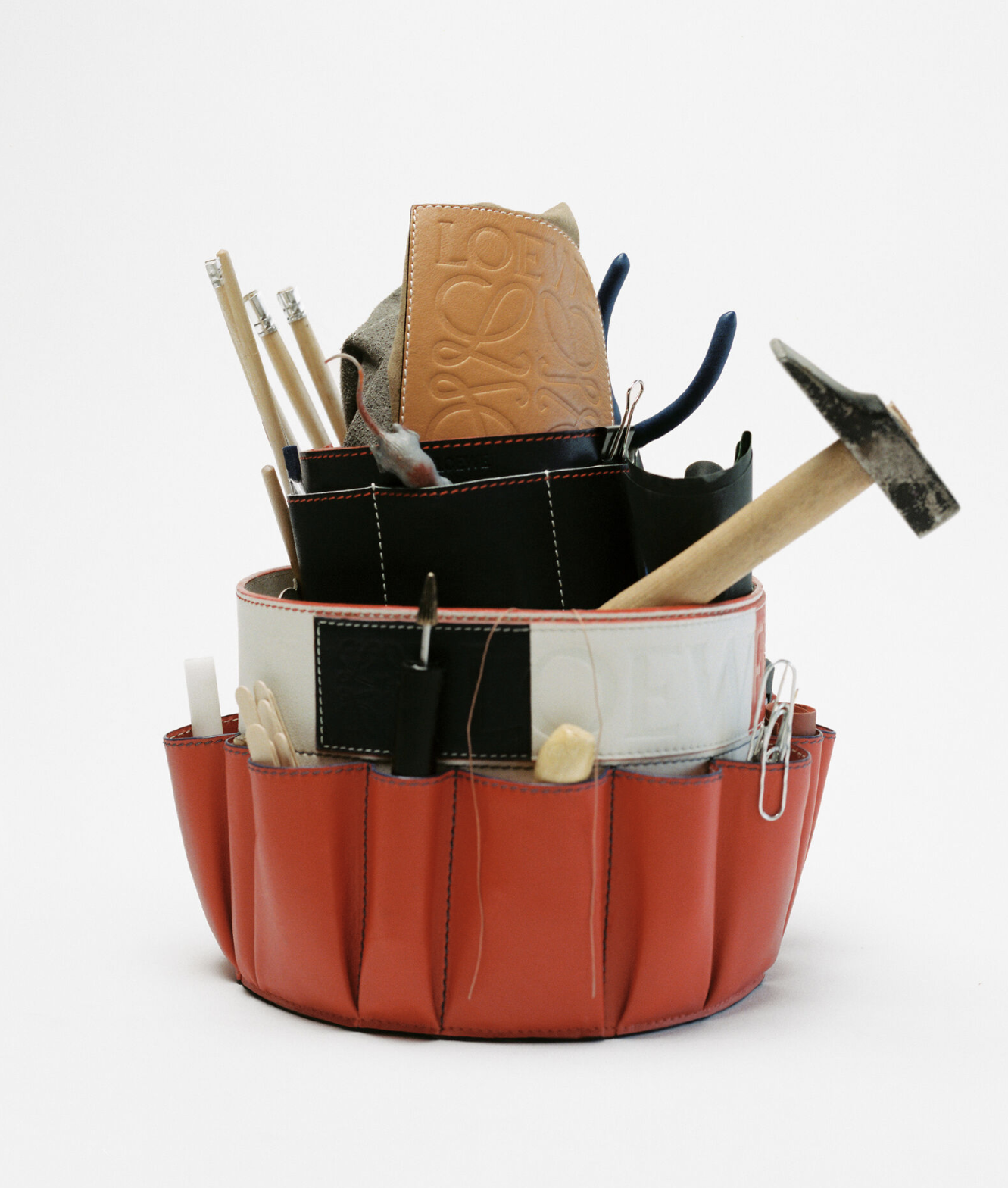 Images: Loewe ReCrafted, Japan
