Consciously or not, consumers have begun to slowly resist the same technologies they spent the past few decades welcoming with open arms.
From screen time blockers and deactivating social media accounts to using Anthropic over OpenAI or boycotting certain apps, the tide is turning.
While it was previously accepted that consumers want the fastest, most frictionless technology wherever and whenever they can get it, our research suggests this is no longer the case.


Supported by a proprietary Future:Poll survey of more than 3,000 adults, this Communities report delves into the lives of five consumers living in the UK, Australia and the US.
These Tech-Resisters are united by a mission to build elaborate personal defence systems that allow them to exist within the digital world on their own terms.
What's in the report?
Learn how and why consumers are re-assessing the role of technology in their lives and putting in guardrails to take back control:
: Time guardians : Tech-Resisters fiercely protect their finite hours, acutely aware of how easily time can disappear into doomscrolls and infinite feeds.
: Agency and autonomy : Resistance is not a rejection of tools but a reclamation of agency.
: Cognitive function : Beyond time, they feel their capacity to focus is being permanently altered by technology.


: Informed sceptics : The most sophisticated resisters don’t consider technology to be inherently bad, but recognise it is designed to extract value.
: Friction as a feature : Resisters deliberately introduce barriers between themselves and compulsive technology.
: Analogue revival : Resisters are returning to analogue technologies such as record players, film cameras and paper journals.
: Generational nuance : While younger respondents fear their brain functions are being altered and cognitive function depleted, older resisters are more concerned about technologies’ ability to drain finite time.

Download the report
Speak to the team
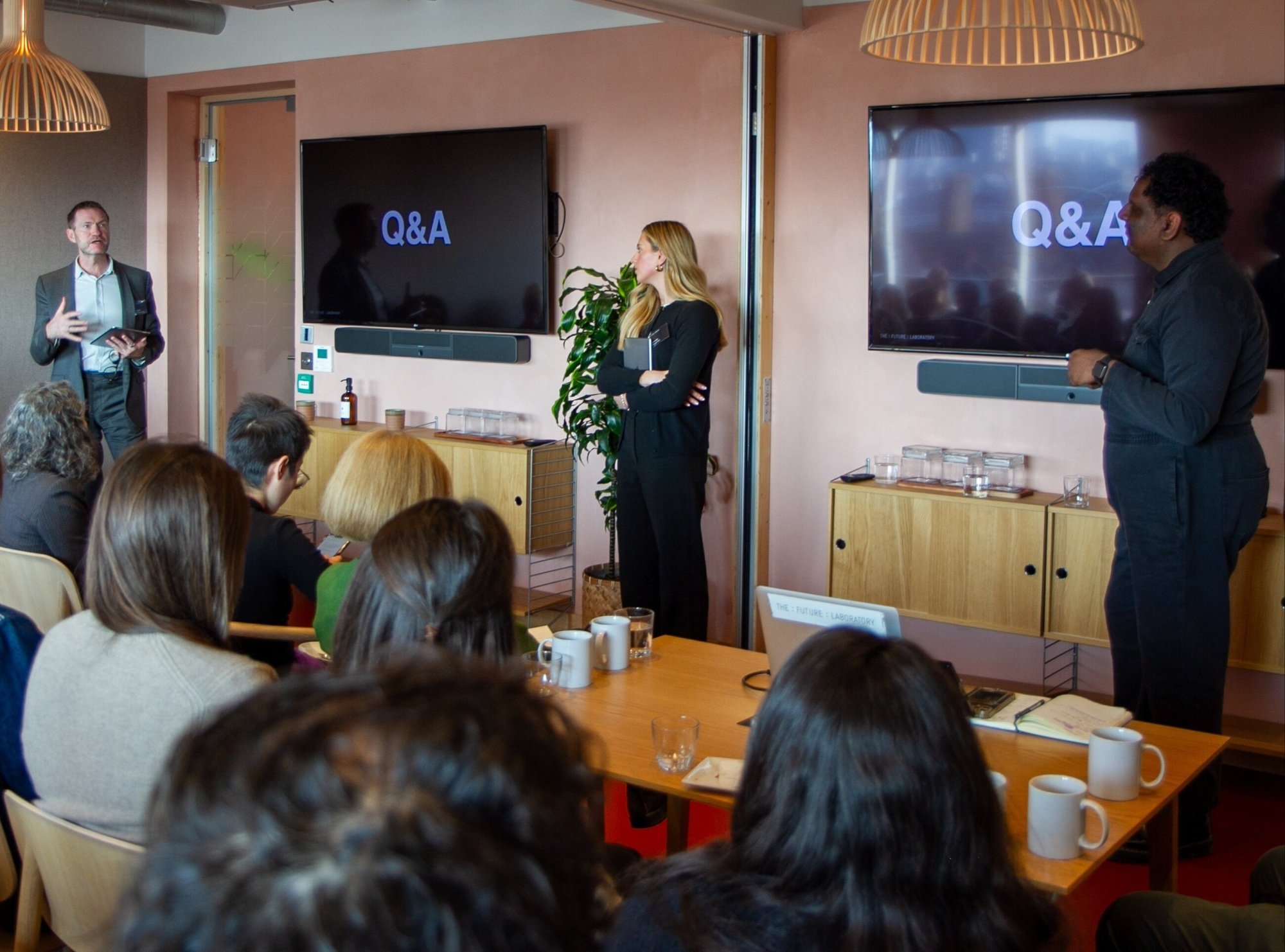
Book this content as a presentation
Did you know this research is also available as a presentation? Whether in-house or virtual, our experts can deliver the content directly to your team, unpacking its implications and practical insights for your business.