WWD Beauty CEO Summit : How AI is Personalising the Beauty Industry

featured-post
sector - beauty
How is AI transforming beauty trends and enhancing personalisation in the industry? Chris Sanderson attended the WWD Beauty CEO Summit 2026 with Madeleine Boyd, global senior vice-president of beauty and wellness at Together Group, to deliver a presentation exploring how AI is reshaping the beauty industry, forcing brands to rethink the meaning of authenticity in the artificial era. 


11–13 May: The Breakers Hotel, Palm Beach, Florida, US, is the suitably rarified location for the Women’s Wear Daily Beauty CEO Summit, an annual global congregation of the industry’s leaders and innovators to delve into a relevant theme – this year it was The Innovation Imperative: Creating The Future of Commerce, Culture & Connectivity. 

20 May 2026

Author: The Future Laboratory

Image: NON, UK

As at many recently attended events, presentation times for speakers had been reduced to a maximum of 20 minutes (TED style) and so the day-and-a-half programme featured nearly 30 keynotes, panels and interviews.

Amid the messages from key sponsors, there were some engaging and insightful sessions, including WWD’s beauty and fashion market editor James Manso leading a conversation on Fragrance Redefined with the brilliantly intuitive and knowledgeable Veronique Gabai-Pinsky; Mecca co-founder Jo Horgan on the opening of the world’s largest beauty emporium in Melbourne, Australia; and Jenny B Fine, WWD’s executive editor, beauty, interviewing the redoubtable legend Diane von Furstenberg.

Drawing on research across fashion, retail, hospitality and travel, Chris Sanderson and Madeleine Boyd’s presentation, The AI Makeover: The Future of Authenticity in an Artificial Era, considered how AI offers new creative opportunities but also presents real risks to trust, individuality and customer connection.

Central to the keynote was the premise that:

‘Beauty will be to the luxury industry what fashion has been since the 1990s – the driver of change, the benchmark of future expectations.’

‘Beauty will be to the luxury industry what fashion has been since the 1990s – the driver of change, the benchmark of future expectations.’
Chris Sanderson, co-founder, The Future Laboratory

Today, with rapid advances in technology, and especially AI, we have to ask: do these old category boundaries even exist any more? Madeleine Boyd offered the observation that consumers aren’t looking for perfection:

They’re searching for meaning – for brands that feel alive, responsive, real, and above all, human.’


From the rise of strange, anti-fluent aesthetics to the curation of mood and emotion, the future of beauty won’t be coded by algorithms or legacy ideals, but by creativity, courage and cultural intuition. This is echoed in our recent beauty macrotrend, The Great Beauty Blur, which suggests that beauty has become monotonous, influenced by powerful algorithms that entrench long-standing ideals.
As The Future Laboratory’s insights and engagement director Olivia Houghton recently explained:

‘Beauty has become predictable – and predictable is powerless.’
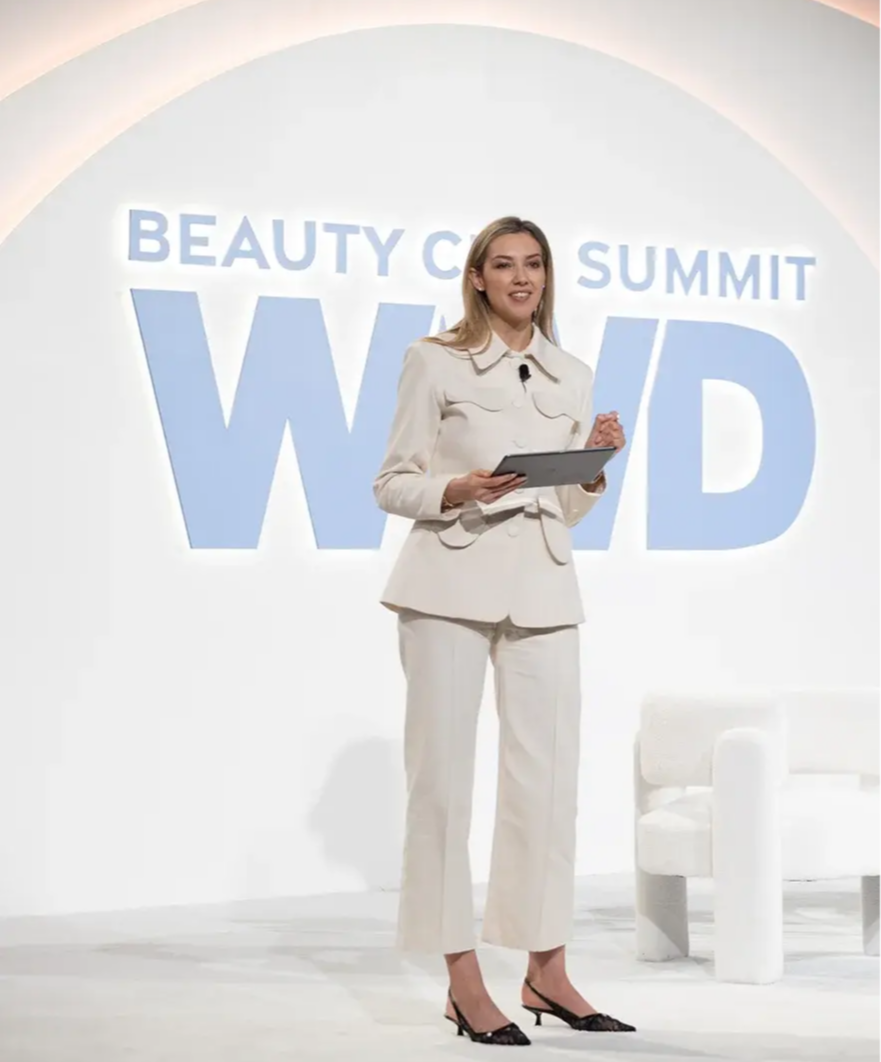
Madeleine Boyd, global senior vice-president of beauty and wellness at Together Group

Partners enjoy exclusive access to our latest beauty and wellness research.

Not a partner? Click here for more information, or purchase the full Beauty Futures macrotrend report from our shop.

Discover The Great Beauty Blur


New Codes of Luxury : The Longevity Effect Free Webinar

Longevity has crossed a threshold. What began as a niche concern among biohackers and billionaires has become a mainstream cultural force reshaping how consumers relate to their bodies, their health and the brands they choose.


RSVP NOW

Trends intelligence, research, and insights – on demand.  Actionable foresight across 20+ sectors.
Book a demo to view the platform. 

Close

Get in touch to discuss LS:N Global payment plans, demo and trials