

In 2026, visit Clinique La Prairie on the Red Sea coast at AMAALA and you begin to understand that something has shifted in the logic of ‘home’ – a machine for being. Thirteen standalone villas, the most ambitious priced at £81m ($95m, €75m) built not around a spa amenity but around a medical philosophy. The operating system here is not comfort or pampering – it is transformation.
I have been watching the branded residence sector for long enough to remember when the ambition was rather more modest. A familiar hotel flag. A concierge number pre-loaded. The logic was reassurance – you knew what you were getting, and what you were getting was, principally, status. A very good address in a very good building bearing a very good name. This is no longer sufficient. It is barely even interesting.
The sector has nearly tripled in size since 2015. But the growth figures – and they are extraordinary – tell only half the story. What matters more is the shift in what is actually being purchased. The Experience Economy gave us beautiful spaces to move through. Its successor, the Transformation Economy, which The Future Laboratory identified back in 2018, asks something more demanding of every luxury proposition: not what does this feel like, but who does this make me?
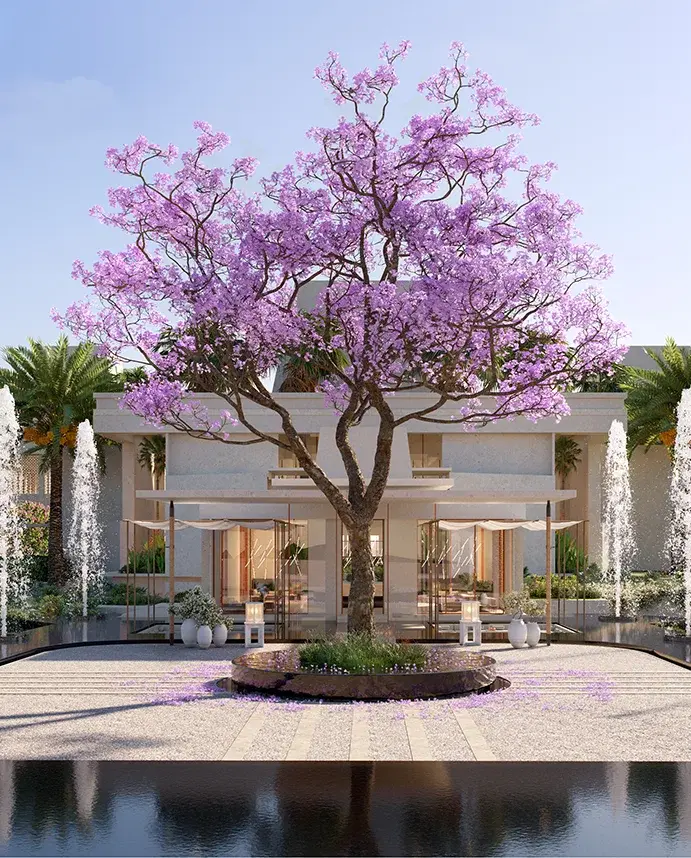 Clinique La Prairie Health Resort at AMAALA, Saudi Arabia
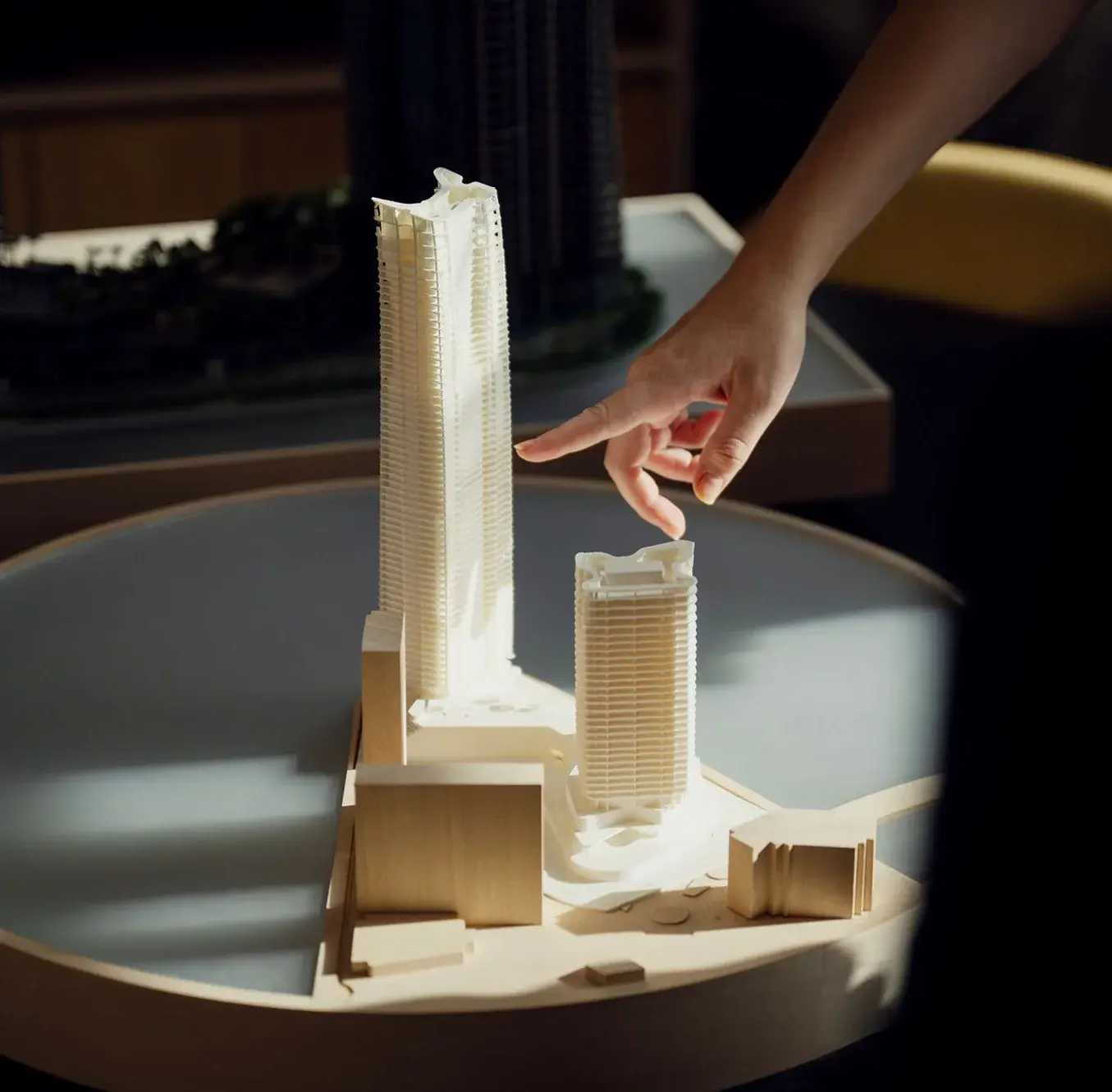 Noë & Associates
When Joe Pine who defined the Experience Economy, watched it be systematically hollowed out – branded photo opportunities dressed as engagement, marketing dressed as memory – he described the outcome plainly: bastardisation. What has replaced it, in the most forward-thinking corners of the residential market, is an economy organised not around what you remember, but around who you become.
No development illustrates this more clearly than Aman Residences in Tokyo. Floors 54 to 64 of Japan’s tallest building, and no hotel attached. Ninety-one residences and a 1,400-square-metre spa reserved exclusively for them alone. When its penthouse sold for £93.6m ($126m, €110m), setting a new national price record, what was being transacted was not a property. It was the most permanent expression available of a brand whose entire philosophy is organised around stillness and the radical luxury of being left alone to become more fully yourself. The Aman buyer is not collecting addresses. They are constructing a life architecture – choosing, threshold by threshold, the conditions under which they will inhabit the world.
Shafi Syed, global head of hotel development at Equinox, states the logic without ceremony:
‘Today’s buyers are not purchasing a logo – they are investing in outcomes. They want a home that supports their wellbeing, strengthens their relationships and improves their quality of life.’
What follows from this, and what the most ambitious developers in this space are beginning to understand, is that the real product is neither the building nor the brand. It is the ongoing daily architecture of a particular kind of life. One organised around what we identify at The Future Laboratory as:
the three foundational demands of the Transformation Economy consumer: Actualisation, Betterment, Community.
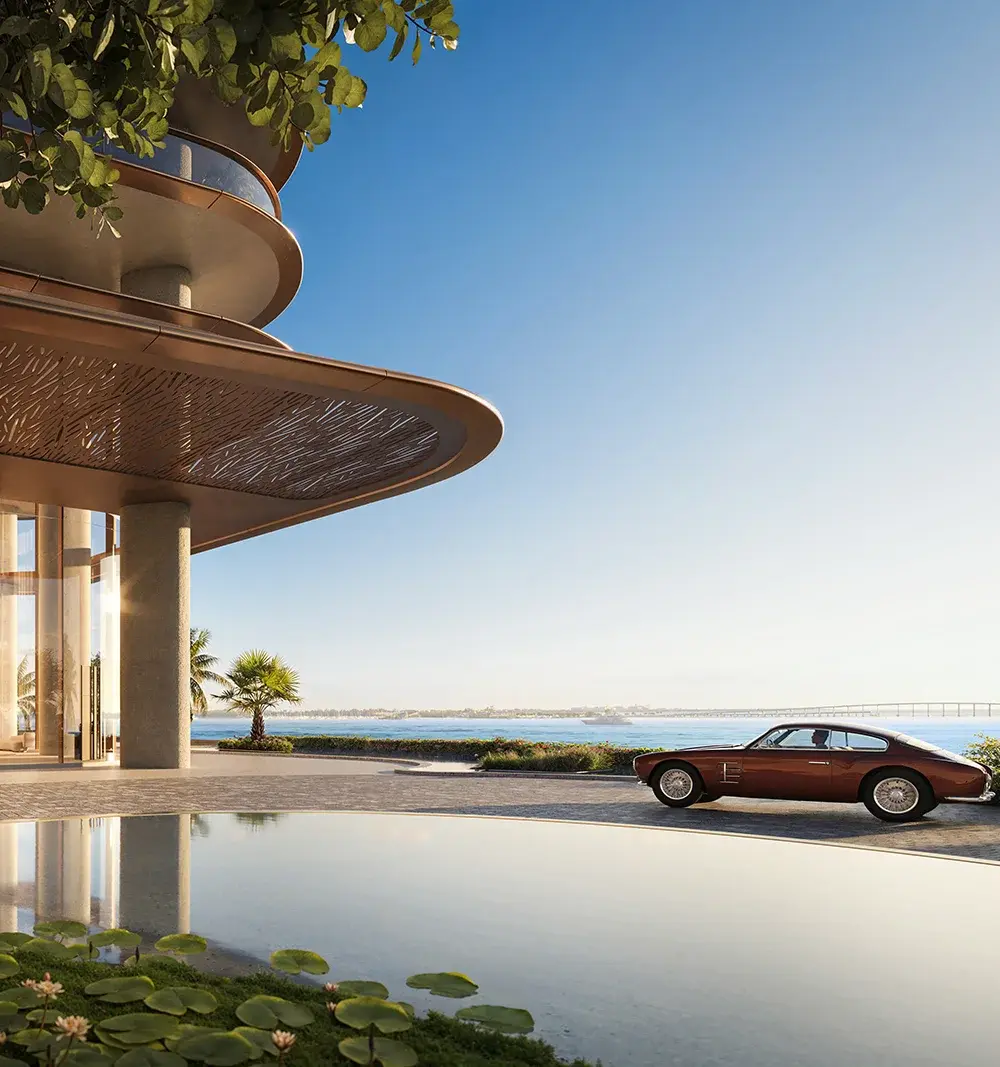 Mandarin Oriental Miami in partnership with Noë & Associates
.webp)