
Dior : NFTs

language: read in english
In the final instalment of this year’s Dior Academy, we revisit the topic which kicked off the series: NFTs. Over the past nine months, a lot has changed in the world of Web3.


For starters, the non-fungible token (NFT) market has taken a nosedive. In August, trading activity on NFT marketplace Opensea declined by 99% in comparison to its peak in May (source: Fortune).

Despite the crash, luxury companies are still investing in blockchain technology, demonstrating their confidence in its future. Below, we examine some of the most exciting projects from the past year.

Lavinia Fasano, Foresight Analyst

28 November 2022

Author: The Future Laboratory

Share

Insight 1: Profile Picture Projects

Profile Picture Projects, otherwise known as PFPs, have been the breakout star of the NFT market over the past two years. As the name suggests, PFPs are images that serve as profile pictures on social media platforms like Twitter and Discord, where members of the crypto community are often anonymous. To verify ownership, Twitter has even released a feature that allows users to verify that their NFT belongs to them. In past newsletters, we discussed successful PFPs like CryptoPunks and Bored Ape Yacht Club. Other popular series include Doodles and Azuki. PFPs are usually released in edition sizes of 10,000, with varying levels of rarity encoded within the series.

Continue the conversation: The market for PFPs is booming. Who will be the first luxury brand to capitalise on its growth? Discuss what a Dior PFP could look like.
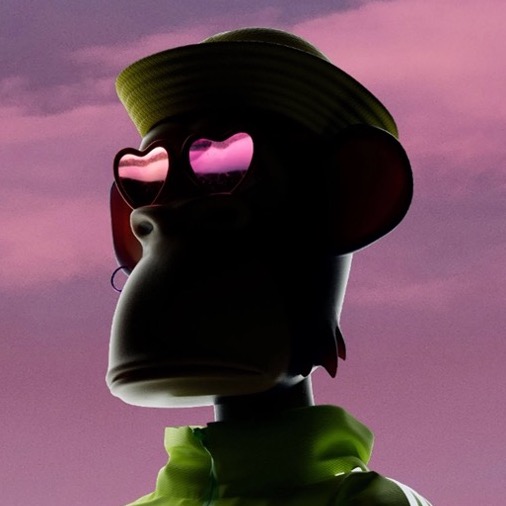
Image: Adidas and Bored Ape Yacht Club
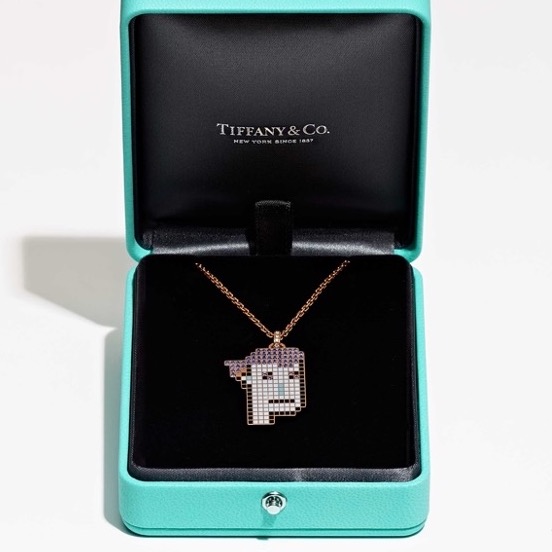
Image: FWB Festival, California

Insight 2: Social Clubs

The NFT boom happened during the pandemic, when most of the world was confined to their homes. Two years later, the community is finding ways to bring online friendships to the real world, building social clubs with activations all over the globe. Leading the way is Friends With Benefits (FWB), a crypto social club co-founded by Trevor McFedries, a digital entrepreneur who helped create the virtual influencer Lil Miquela in 2016. FWB has been described as ‘a decentralised Soho House’, and recently organised the Friends With Benefits Festival in California. To join the group, you must own a $FWB token. The value of the token fluctuates according to demand, therefore incentivising community members to make the club more fun and desirable.

Continue the conversation: Consider whether luxury houses could issue social tokens for very important clients (VICs) that grant access to private boutiques, special services and limited-edition products.

Image: Tiffany & Co and CryptoPunks

Insight 3: Fashion Collaborations

Just a year ago, NFTs were still relatively new for the luxury industry. Now, it’s become easier to count the luxury houses that haven’t released an NFT – Chanel, Hermès – than remember all those who have. To keep track of new releases, Vogue Business has developed a useful tracker, which it updates every week. One of the most successful luxury NFT projects from recent times is Tiffany & Co’s collaboration with CryptoPunks. The fine jewellery company offered CryptoPunk-holders a chance to purchase a hand-crafted necklace and pendant modelled after their CryptoPunk. With only 250 pendants available, Punk-holders had to act quickly to secure their necklace, creating even more hype around the sale. The project sold out in about 22 minutes and raised the equivalent of £10.8m ($12.5m, €12.4m).

Continue the conversation: The most successful NFT collaborations are the ones that tap into existing Web3 communities. Discuss the reasons that Tiffany’s collaboration with CryptoPunks was so fruitful.

Insight 4: Web3 Food

NFTs are even making their way into the food industry. Leisure Project is a functional beverage brand created specifically for content-creators. The company’s non-alcoholic drinks are packed with adaptogens and nootropics and are said to help boost mental sharpness, creativity and mood. Before launching its first product, the company used NFTs to build an online community. Using NFTs, the company was able to gauge consumer interest for its products and raise funds. In the future, various sectors could use digital tokens to assess consumer sentiment before creating products. ‘To find your first customers is very hard. We actually found our first customers by launching an NFT,’ says Steve Michaelsen, co-founder of Leisure Project.

Continue the conversation: Ask your clients if they would be interested in having an NFT that gives them voting rights on the direction of future products.
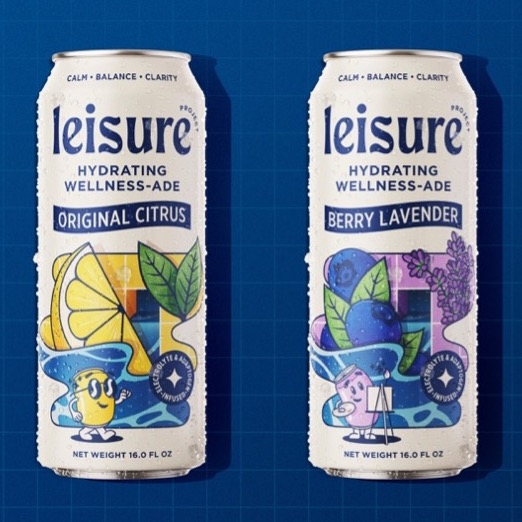
Image: Leisure
Image: Vice Media Group’s digital office

Insight 5: Prestige Metaverse Architecture

In the future, NFTs and blockchain technology will help reshape online and offline retail environments. Elite architecture firms are already exploring the potential of digital real estate platforms like Decentraland and The Sandbox. Earlier this year, architecture firm Bjark Ingels Group designed a virtual office for the Vice Media Group on Decentraland, while Zaha Hadid Architects is helping design a digital city called Liberland. In the future, luxury brands will hire the same architects that design their physical spaces to create virtual workplaces and immersive e-commerce stores. As architects already work with digital modelling tools, their transition into the metaverse will be especially seamless.

Continue the conversation: Discuss which of Dior’s architects, such as Peter Marino or Christian de Portzamparc, you would most like to see build a virtual boutique in the metaverse.


Thank you for reading.

Read all previous newsletters here


Trends intelligence, research, and insights – on demand.  Actionable foresight across 20+ sectors.
Book a demo to view the platform. 

LSN_Logo_bw2_2025 1
Close

Get in touch to discuss LS:N Global payment plans, demo and trials