


Caviar has been a luxury staple for thousands of years, first appearing on the plates of ancient Greek aristocrats. Now, caviar is experiencing a revival. At premium British supermarket chain Waitrose, caviar has been flying off the shelves, with sales up 52% year on year in 2021 (source: The Telegraph). Elsewhere, chefs are finding inventive ways to put it back on the menu.
In New York, several restaurants have started offering ‘caviar bumps’. Instead of spreading the delicacy on blinis or crackers, eateries like Temple Bar place the food directly on their customers’ hands, encouraging them to lick it off for a salty hit. While that might sound vulgar, Kristen Shirley, the founder of luxury lifestyle website La Patiala, shows how it can be done elegantly on her Instagram.
The most popular dish at Caviar Kaspia, a French restaurant adored by the fashion set, is a baked potato topped with a layer of caviar. In the coming months, the restaurant will open two new locations in St Tropez and New York, revealing the growing appeal of the delicacy.
Continue the conversation: What other delicacies are poised to make a comeback? Ask your clients what indulgences they would like restaurants to revive.
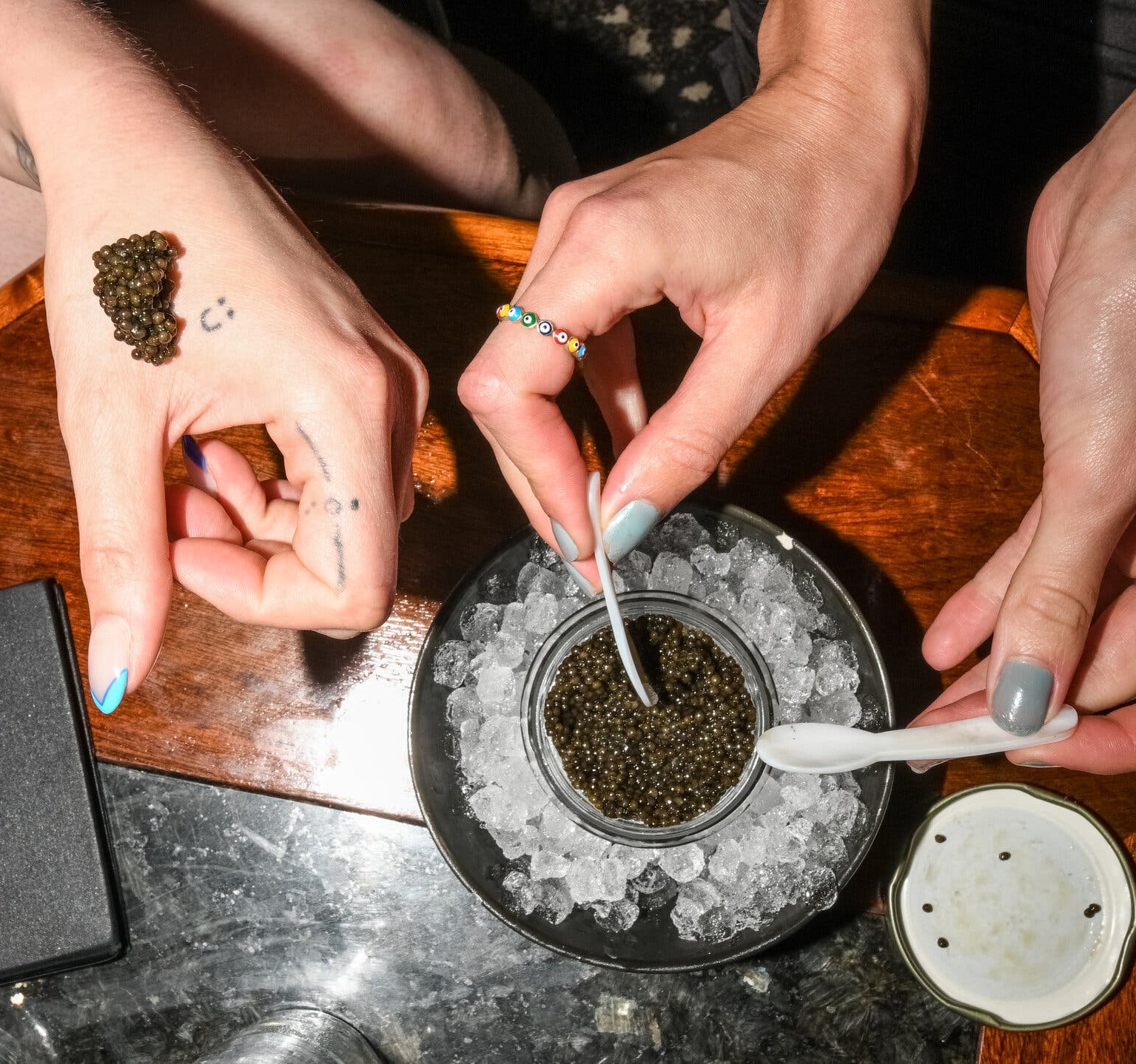 Image: A caviar bump at Temple Bar, New York
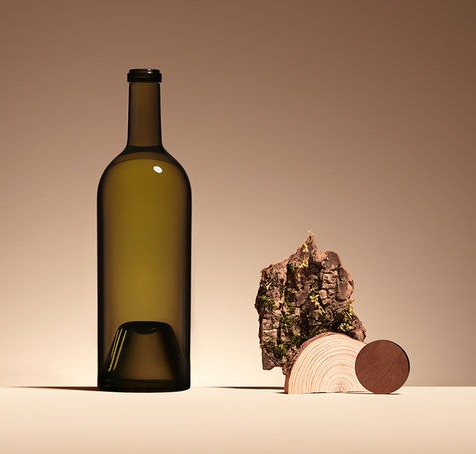 Image: Saverglass by Akatre
With stock market uncertainty, wine is a growing category in the alternative investments market. In the past 10 years, the value of fine wine has increased by 127% on average (source: Knight Frank).
Globally, sales of fine wine are booming. ‘Wines and spirits priced in the super-premium-and-above price bands, which include prestige and luxury brands, have been a bright spot of the industry for many years,’ explains Brandy Rand, chief operating officer of the Americas at IWSR Drinks Market Analysis (source: Luxury Daily).
Capitalising on the growth of the premium wine sector, LVMH-owned wine and spirits company Moët Hennessy launched OurCellar.com, a luxury online shopping destination for top champagnes and wines.
The marketplace is the company’s first direct-to-consumer platform, and offers access to limited-edition releases, exclusive bottles, gift bundles and personalisation from brands such as Moët & Chandon, Dom Pérignon, Veuve Clicquot, Krug and more.
Continue the conversation: Ask your clients if they appreciate wine and whether they view it as an investment.
Luxury fashion brands are expanding into the food and drink industry to create emotional and enriching customer experiences while diversifying their revenue streams.
At Monsieur Dior, the new fine dining restaurant at 30 Avenue Montaigne, veteran chef Jean Imbert is bringing the couturier’s passion for food and cuisine to life. Since 2019, chef Imbert has been studying the Dior archives to get a better understanding of Monsieur Dior’s sensibilities.
In its first year of operation, the LVMH-backed restaurant Plénitude at the Cheval Blanc hotel in Paris has received three Michelin stars. The chef, Arnaud Donckele, is only the second person in 30 years to accomplish this.
Elsewhere, in St Tropez, Restaurant Mory Sacko is Louis Vuitton’s first restaurant in France. The 40-seat space has an outdoor eating area overseen by French-West African chef Mory Sacko, who has re-invented dishes such as Japanese bento box meals.
Continue the conversation: Ask your clients what they think about luxury brands getting involved with restaurants, and what they can do to translate their heritage to create memorable and distinctive experiences.
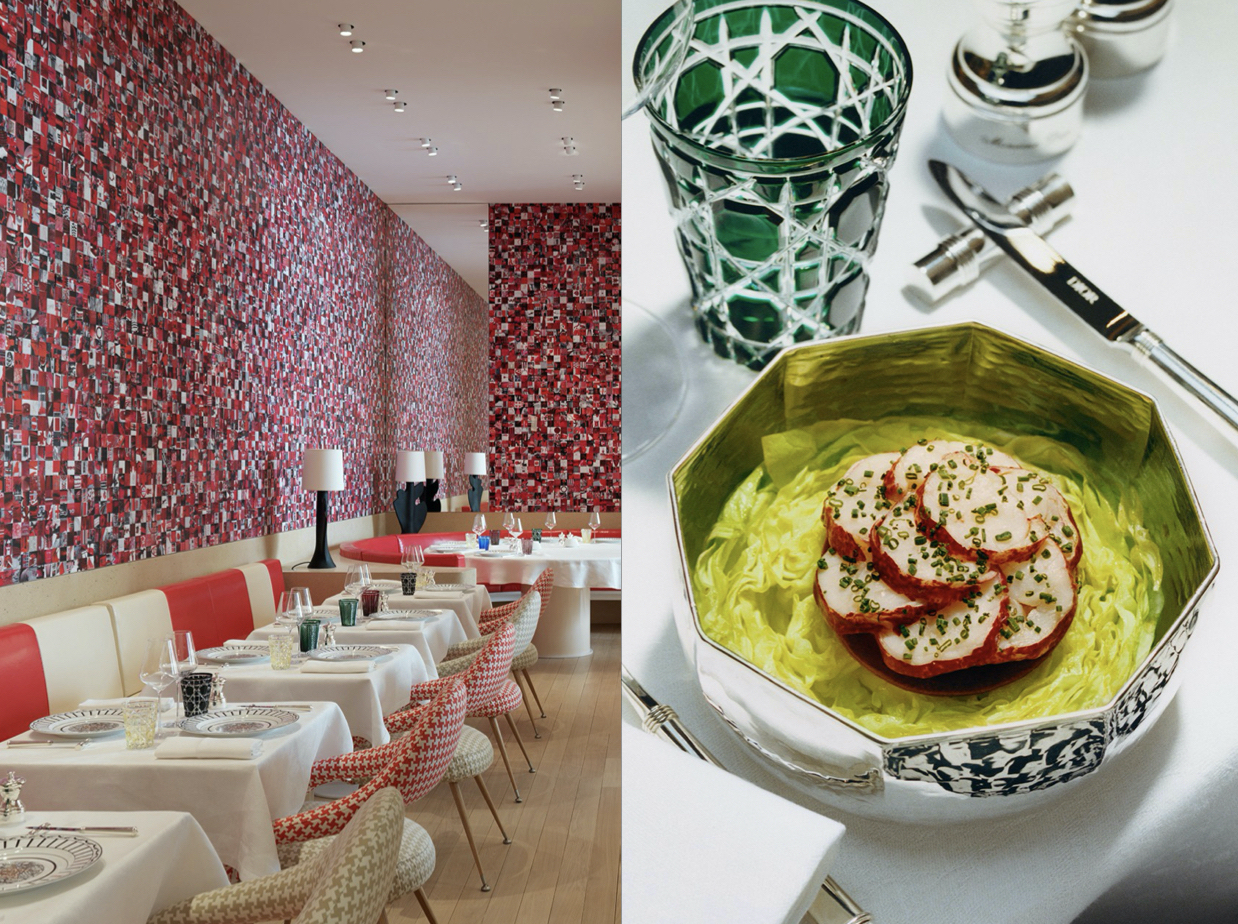 Image: Monsieur Dior, 30 Avenue Montaigne, Paris
