


As we emerge from the pandemic, consumers are placing greater importance on science than ever before, seeking products that are rooted in research and facts.
This is especially true of the beauty sector, where consumers are more knowledgeable than ever about formulas and ingredients. Since 2020, searches for specific beauty ingredients such as retinol and hyaluronic acid have surged by 700% on luxury e-commerce platform Net-a-Porter, according to Vogue Business.
This is driving skincare and beauty disruptors like Iräye and Augustinus Bader to release science-backed products. Iräye has collaborated with Professor Michael Detmar and Dr Epameinondas Gousopoulos, specialists in the field of lymphatic medicine, to develop the first skincare line that activates the lymphatic system through topical application, helping to cleanse, remove waste and maintain the fluid balance of the skin.
Meanwhile, leading stem cell expert Professor Augustinus Bader continues to draw on his medical background with a new product, the Ultimate Soothing Cream, which uses the cell-renewing TFC8 complex to protect the skin barrier, the outermost layer of the epidermis.
Continue the conversation: With beauty customers more aware of ingredients, consider the opportunity to present or curate selections of Dior Beauty products based on their hero ingredients.
 Image: Imaginary Flower Therapy by Angéline Behr
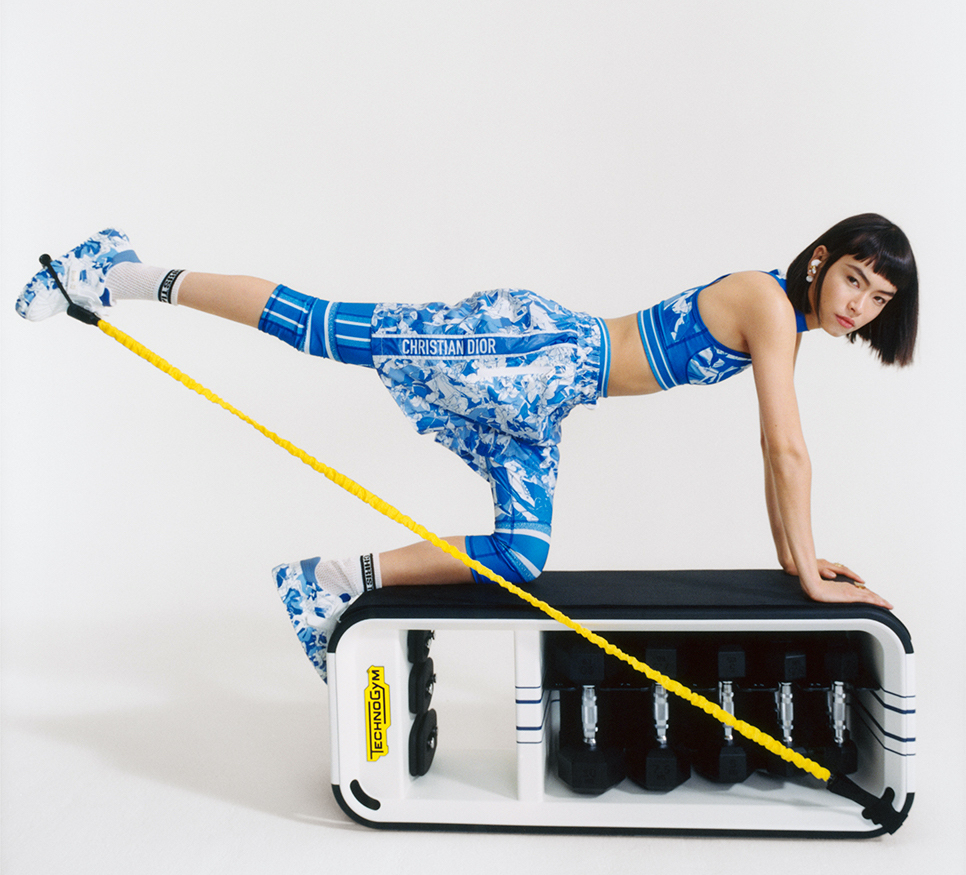 Image: Dior and Technogym limited edition
As health becomes a top priority for luxury consumers, traditional sports such as golf, tennis and fencing are gaining fresh popularity among younger generations, something that Dior explored in its recent Technogym collaboration.
Since the start of the pandemic, for example, the average age of golf players in Britain has dropped by five years (source: R&A). More recently, a report found that girls now account for 36% of junior golfers in the US, up from 15% in 2000 (source: National Golf Foundation). In response, youth-facing brands such as PXG Apparel want to capture the recent revival of golf – but with less formality. ‘Golf is becoming cool again, and people don’t want a lot of rules,’ explains Renee Parsons, president and executive creative director of PXG Apparel.
The ski market is also booming among affluent consumers. According to the 2020 China Ski Industry White Paper, the number of skiers in China increased by 98.66% between May 2020 and April 2021, presenting a significant opportunity for luxury brands to create alpine clothing collections (source: Capital Mind ). Last year, German brand Jil Sander collaborated with Chinese-owned outerwear brand Arc’teryx to create skiwear with a high fashion aesthetic. One of Dior’s most recent ski capsule collections took the form of a collaboration with Scottish painter Peter Doig, complete with snowboards and sleds. Meanwhile, Louis Vuitton unveiled its first skiwear collection in November last year, offering a futuristic vision of the heritage sport.
Continue the conversation: How can Dior become the go-to brand for younger luxury consumers interested in sports? Consider which Dior products lend glamour to an active lifestyle.
Across the world, meditation is becoming an increasingly important part of people’s health routines, as apps and platforms make the ancient practice more compatible with modern life.
During the first wave of the pandemic, more than half of the UK population began a daily meditation practice to cope with lockdown restrictions (source: University College London). This is also turning meditation into a more flexible daily activity. According to recent research, 88% of people in the US meditate for 30 minutes or less (source: Mellowed).
Among luxury brands, a series of campaigns are spotlighting mindfulness. Last year, the French fashion house Hermès launched a series of yoga tutorials on WeChat to demonstrate how its scarves and accessories could be incorporated into wellness routines. Building on the rise of Rewilding Lifestyles, as explored last month, brands can also celebrate alternative mindfulness through Flower Therapy, in which floristry and flower arrangement are helping people to slow down and find headspace.
Continue the conversation: Consider how to create more contemplative shop environments, whether through floral arrangements or even through the meditative potential of activities like silk scarf-folding.
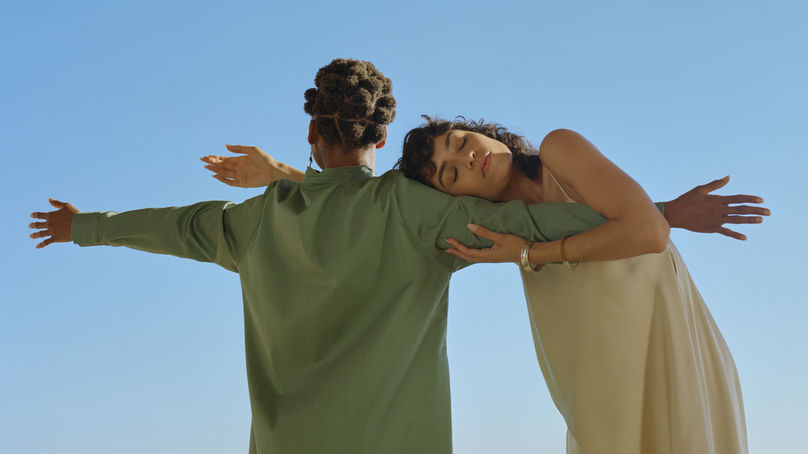 Image: Open wellness platform, US
